



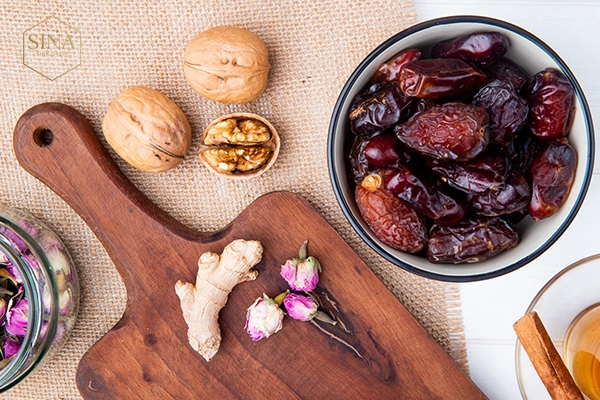
Dates have long been celebrated for their rich taste, nutritional benefits, and cultural significance. As a globally traded commodity, the export of dates has become a significant sector in international agriculture, connecting farmers from date-producing regions with consumers worldwide. With increasing demand for high-quality, premium dates, understanding the export process, standards, and market dynamics is essential for businesses and consumers alike.
In this article, we explore the export of dates, including market trends, quality requirements, logistics, and the benefits of sourcing premium dates for international trade.
The Global Market for Dates
Dates are a staple in the Middle East, North Africa, and parts of Asia, but their popularity is growing rapidly in Europe, North America, and other international markets. Countries such as the United Arab Emirates, Saudi Arabia, Iran, and the United States are among the top exporters of premium dates.
Key Market Drivers:
-
Rising global awareness of natural, nutritious foods
-
Growing demand for organic and high-quality fruit
-
Expansion of the gourmet and gift market
-
Increased health-conscious consumer trends
The international demand for dates is not only driven by taste but also by their perceived health benefits, long shelf life, and versatility in culinary uses.
Types of Dates for Export
Different varieties of dates are exported globally, each with unique characteristics:
-
Medjool Dates: Known as the “king of dates,” they are large, soft, and sweet, highly sought after in premium markets.
-
Mazafati Dates: Soft, moist, and juicy, primarily from Iran, ideal for fresh consumption.
-
Piarom Dates: Semi-dry, firm, and naturally sweet, preferred for long-distance shipping due to their durability.
Exporters often select varieties based on international consumer preferences, shelf life, and shipping conditions.
Quality Standards for Export
Maintaining quality is paramount in the export of dates. International buyers expect fruit that is visually appealing, fresh, and free from defects.
Key Quality Requirements:
-
Size and uniformity: Consistency in size and shape ensures market acceptance.
-
Moisture content: Ideal moisture levels prevent spoilage during transport.
-
Cleanliness: Dates must be free from dust, dirt, and foreign matter.
-
Packaging: Protective, hygienic packaging maintains freshness and appearance.
-
Certification: Organic, ISO, or HACCP certifications can enhance market trust.
Adhering to these standards ensures that exported dates meet the expectations of global retailers, distributors, and consumers.
Packaging for International Markets
Packaging plays a crucial role in the export process. It not only protects the dates but also reflects the brand’s commitment to quality.
Common Export Packaging Options:
-
Vacuum-sealed bags: Preserve freshness and extend shelf life.
-
Luxury boxes: Ideal for gift markets and high-end retailers.
-
Bulk cartons: Used for wholesale and industrial buyers.
Proper packaging also minimizes damage during transportation and ensures the dates arrive in optimal condition.
Logistics and Shipping
Efficient logistics are essential for successful date export. Shipping involves careful planning of temperature, humidity, and handling procedures to prevent spoilage.
Key Shipping Considerations:
-
Refrigerated containers: For high-moisture dates like Mazafati.
-
Temperature-controlled transport: Maintains freshness for long journeys.
-
Customs clearance: Compliance with import regulations in the destination country.
-
Delivery tracking: Ensures timely arrival and quality control.
International logistics companies often specialize in perishable goods, helping exporters meet global standards.
Challenges in Date Export
While the demand for dates is growing, exporters face challenges including:
-
Climate and seasonal variations: Affect yield and quality.
-
Pests and diseases: Require careful management during cultivation.
-
International regulations: Different countries have varying import standards.
-
Price fluctuations: Global supply and demand can affect profitability.
Addressing these challenges requires expertise, quality control, and adherence to best agricultural practices.
Opportunities for Exporters
The export market for dates presents significant opportunities:
-
Premium and luxury markets: High-quality dates for gifting and gourmet use.
-
Health-focused markets: Organic and nutrient-rich dates for wellness-oriented consumers.
-
Processed date products: Including date paste, syrup, and snacks.
-
E-commerce: Online platforms allow direct access to international buyers.
By focusing on quality, branding, and compliance, exporters can tap into these growing markets effectively.
How Sina Dates Supports Export
At Sina Dates, we specialize in providing export-grade dates that meet international quality standards. Our selection process ensures that each date is carefully inspected, hand-picked, and packaged to maintain freshness and flavor. With a trusted supply chain, luxury packaging options, and reliable global shipping, we deliver premium dates to importers, wholesalers, and international retailers around the world.
By combining traditional farming practices with modern processing and logistics, Sina Dates guarantees that our products satisfy the needs of global customers.
Conclusion
The export of dates is a growing industry driven by global demand for high-quality, nutritious fruit. From selecting the right variety to ensuring proper packaging, logistics, and compliance with international standards, successful export requires careful attention to every step.
By focusing on quality, consistency, and customer satisfaction, exporters like Sina Dates are leading the way in connecting premium date producers with global markets, making it easier than ever for consumers worldwide to enjoy this ancient, healthful fruit.